广州美术学院美术馆泛东南亚三年展
2nd T-SEAsia 延伸研究 | 仅此一部:《如何改善世界》
June 19, 2025
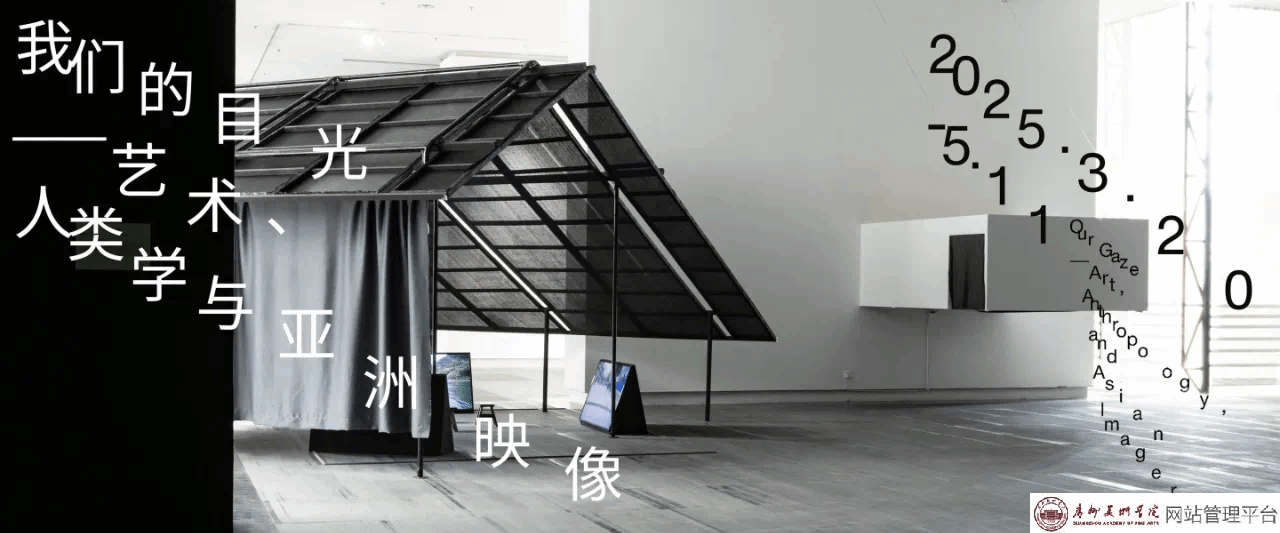
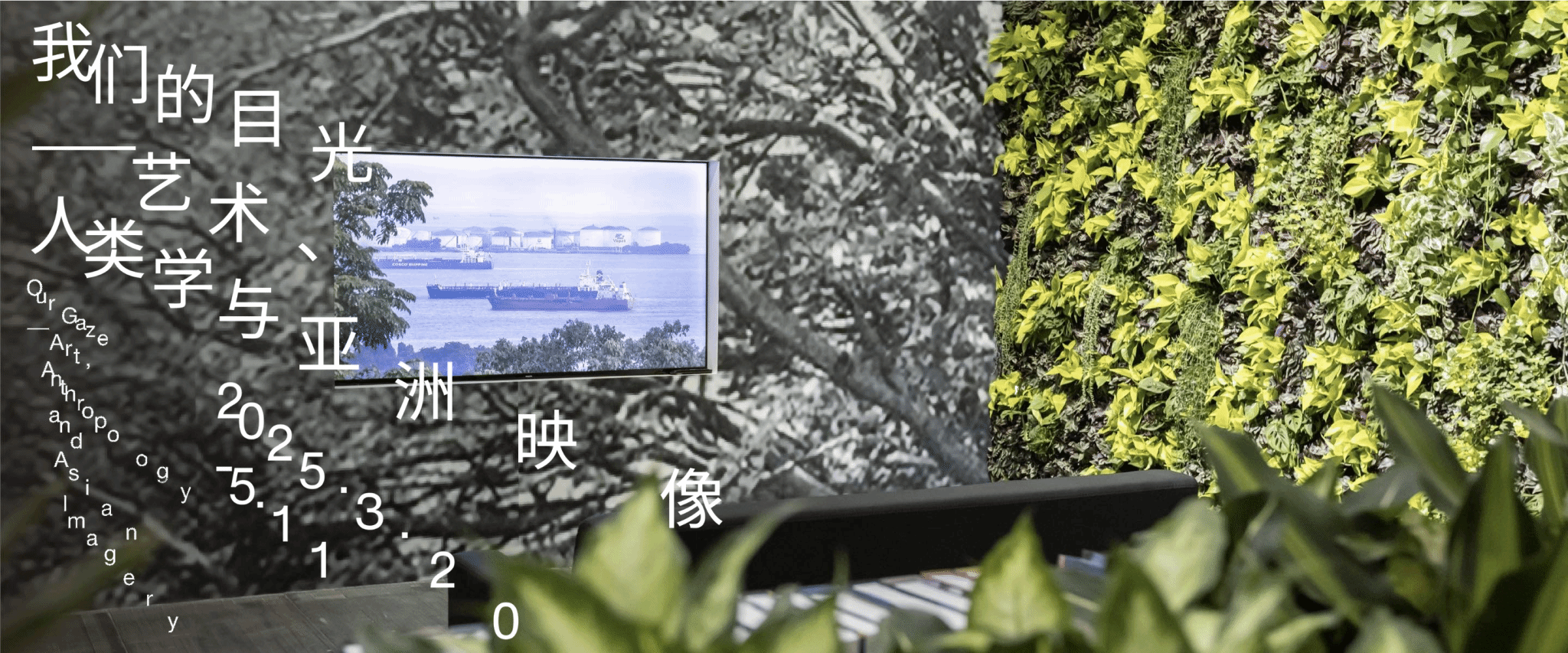
我们的目光:艺术、人类学与亚洲映像

文章最初发表于 MUBI 的在线电影期刊《Notebook》上。本次转载已获得作者鲁拉里·麦肯的授权。
This essay originally appeared on Notebook, MUBI's online film journal.This republish has been authorized by the author Ruairi McCann.

仅此一部:《如何改善世界》
Just One Film: “How to Improve the World”

鲁拉里·麦肯
Ruairi McCann

2021年11月1日
01 Nov 2021

仅此一部是一个系列,向读者推荐世界各地电影节上的电影,这些电影你可能会错过,但值得一观。
Just One Film is a series that recommends individual films from festivals around the world—the movies you otherwise might have missed that deserve to be discovered.

undefined

1985年,英国广播公司(BBC)对一位来自爱尔兰西部的渔民肖恩·奥·埃尼里进行了采访。他以爱尔兰语向都柏林大学的一位学者讲述了若干古老的传说。奥·埃尼里的声音被永久记录下来,这不仅归功于他的技艺,还因其独特而忧郁的身份——他可能是最后一位只会说爱尔兰语的人。1998年,奥·埃尼里去世,这一事件不仅终结了一种曾占主导地位、后来逐渐势微、最终消失的语言与特定个体之间的关系,也标志着一套独特意识体系的终结。他用舌头说出的每一个字都赋予了一个充满仪式、人物和风景的鲜活世界以生命,而当他长眠地下时,这个世界也随之消逝,成为他的随葬品。

阮纯诗正在不同的背景下追寻另一个文化消失点。她曾是一名记者,自2007年以来一直活跃于电影制作和影像艺术领域。她的作品大多以其祖国越南为背景,聚焦于该国不同土著民族和少数民族(约占总人口的15%)所面临的困境,以及在呈现这些不同文化时所涉及的伦理问题。这些主题构成了其作品的重要组成部分。阮纯诗首次明确探讨这一主题是在短篇散文电影《宾童龙来信》(2015年)中,该片的创作灵感源自越南和日本联合提议在占族人的土地上建造核电站。在短片《第五电影》(2018年)中,她以更广阔的视角和全球化的形式深入探讨了越南社会中这一被边缘化的部分。该片以毛利电影制作人巴里·巴克利关于发展“第四代”原住民电影的宣言为框架和文本,主张打破电影艺术的国界限制。

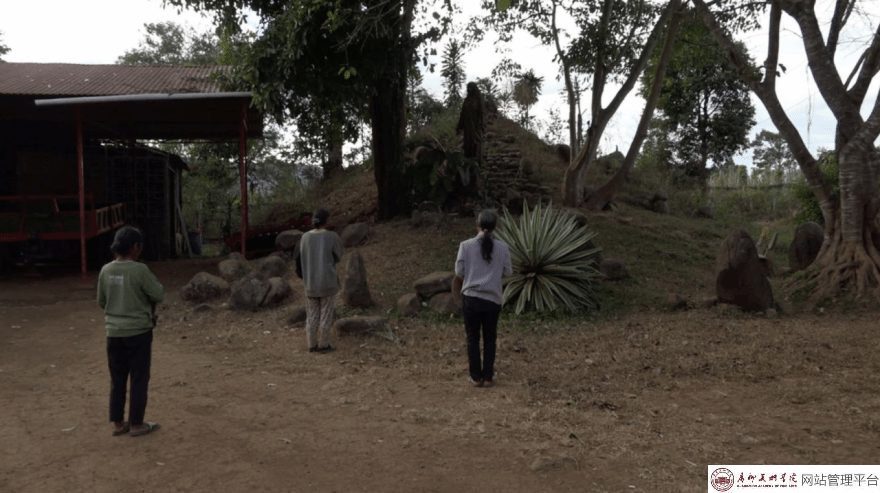
阮纯诗的最新作品《如何改善世界》(2021年),是一部时长47分钟的三屏同步视频装置作品,于近期在第17届伯威克电影和媒体艺术节上首映。展览同时回顾了这位艺术家职业生涯中的重要节点。影片将她带到了中部高原地区以及几个居住着贾莱族人的村庄。阮纯诗以碎片化的视角呈现了一幅风景画,并以对位节奏将这个社区的场景以万花筒般的风格排列。所有场景都围绕一个核心展开:一位名叫克索尔·塞普的男人。他是一位热情而精瘦的年长音乐家和说书人,受人尊敬。影片中展示了他对自身与声音关系的思考,以及他与青年音乐家Rơ Chăm Tih的合作,两人用声音和竹制乐器如克尼琴(一种利用演奏者口部共鸣的单弦弓乐器)进行二重奏表演。他们共同演奏当地风格的音乐,这种音乐以炽热的音色和在高度重复结构上的自由游走的复杂旋律为特点。影片还记录了一个锣合奏团的排练和在仪式场景中的表演。这些独特的声音为影片蒙上了一层朦胧的光辉,如同夏日绵绵不绝的细雨。

undefined

镜头之外,克索尔在接受阮纯诗采访时,反复强调了声音或其倾听能力的重要性。这种能力不仅对其职业至关重要,更是其存在感的核心与支柱。声音如同棱镜一般,帮助他理解周围的世界,并实现自我表达。然而,在影片中,这种对某一感知形式的自信被另一种感知形式的试探性主张所平衡。阮纯诗通过穿插她十几岁的女儿安·阮·马克斯顿-格雷厄姆(An Nguyễn Maxtone-Graham)的画面,展现了后者以图像为主要接收和投射方式的特点,而声音则处于次要地位,被视为一种不那么可靠的考量因素。

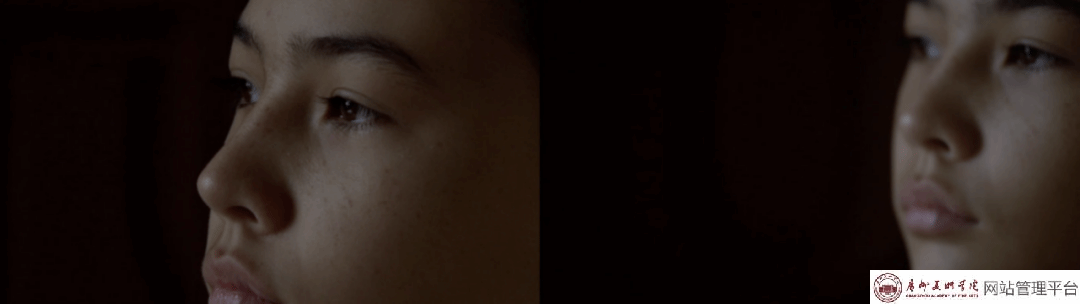
与只会讲占族语的克索尔不同,阮·马克斯顿-格雷厄姆能够流利地使用英语和越南语,且带有美国口音。当阮纯诗及其团队来到克索尔熟悉的艺术与人格扎根之地时,她的女儿似乎置身于一个无名的、近乎虚无的空间,看起来像是工作室或酒店房间。在两个几乎相同角度的特写镜头下,女儿的形象以双屏形式呈现,仿佛受到一对审讯者锐利目光的审视。她略显紧张的状态以及回答母亲问题时含糊不清的表述,与克索尔的自信形成了鲜明对比。克索尔清晰而坚定地描述世界,并明确表示作为人类的他,是用来倾听的,而镜头则是用来观看的。

阮纯诗试图效仿克索尔对事物的看法,并对观看行为提出质疑。影片开篇,画面被塑造成一个可疑的角色,彩色与黑白画面之间毫无预兆地切换,还穿插了一个“花絮”,其中一个镜头因雾气遮挡而使年轻的安的形象变得模糊不清。另一方面,阮纯诗亲自录制并混合的声音,则成为这部影片最具表现力的部分。

通过精心打造的配乐,这个世界的地貌和内部构造得以全面展现。将乳锣敲打成形的过程与单独录制的敲击声相互交融、交织,影片将音乐的构建与呈现描绘为一种超凡脱俗的过程,既抽象又可以被双手触摸感知。金属屋顶上的雨声成为两段录音之间的桥梁,表明音乐是人为创造的,但又与环绕着它的自然环境不可分割。

undefined


影片中处处可见身份认同基于环境且不断变化的观念——就像任何一块肌肉一样,身份认同需要不断拉伸和锻炼,否则就会萎缩。然而,当克索尔提到许多歌曲和故事因缺乏使用而从他的记忆中消失时,这一观点被推向了一个尤为令人不安的境地。作为生活在不断变化环境中的贾莱族人,和其他原住民一样,他们的生活被外来力量重新定义。无论是越南人(京族)还是法国人的入侵与占领,都对他们的土地造成了深远影响。从基督教到共产主义,不同的团体和意识形态纷纷宣称控制权,并实施日常禁令,剥夺了克索尔和许多人赖以谋生的音乐和故事的物质与精神基础。然而,像水牛祭祀这样的仪式——影片中反复出现的另一条线索和关键情节,几乎贯穿了整部影片——以及克索尔的顽强存在,都表明旧的传统可以适应并延续下去。

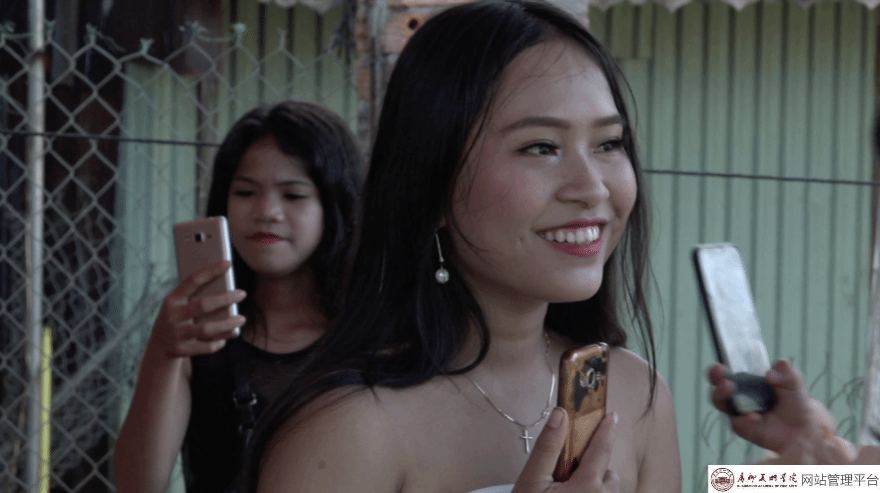
水牛祭祀作为一种在死亡中寻得生命的舞台隐喻,象征着一个社区通过将宝贵资源化为灰烬来寻求团结与表达,这体现了影片的终极乐观与活力,这种乐观与活力与仍然清晰可感的失落感并存。阮纯诗决定不仅拍摄那些庄严的教义传授或表演时刻,还加入更多轻松闲适的场景,比如年轻人和老人们一起闲逛、嬉戏的画面,以此表明这些社区依然充满生机。影片中还有更多精心安排的跨越不同活动的关联时刻,例如一段精彩的镜头,先是展现一群盛装打扮的年轻女子四处闲逛、聊天、玩手机,整个画面充满了对某个活动的期待,随后画面逐渐被锣声覆盖。最终镜头切换到一群老年人正在跳传统的圆圈舞。

最终,阮纯诗通过将她女儿的场景与克索尔的场景相互碰撞,试图打破类似的文化和代际隔阂。尽管两者在情绪和结论上存在冲突,但他们有着共同的传承。女儿处于一端,处于身份形成的阶段,既是独立的个体,也是更大集体的一部分;而克索尔则处于另一端,作为一个活了数十年的老者,一直与自我为伴。两者的并置让人想起克索尔描述的一个古老习俗:一位贾莱族的长者会对着新生儿的耳朵吹气,并轻声说出成长为有感知力的成年人、步入广阔世界的美好预言。阮纯诗在此试图通过电影做到同样的事情,将一座活生生的博物馆与一位年轻女性、个体及其社群、社群的当下与过去和未来联系起来。

In an interview conducted for the BBC in 1985, a fisherman from the west of Ireland named Seán ÓhEinirí relayed old legends in Irish to an academic from University College Dublin. ÓhEinirí’s voice was recorded for posterity not only for his skill but for his unique and melancholy status as possibly the last living monolingual speaker of Irish. His death in 1998 not only ended a specific, once dominant, then minority, then extinguished relationship to a particular language, but a distinct system of consciousness. A living world of rituals, personages, and landscapes that was animated with every utterance of his tongue and then joined him in the earth as his grave goods.

Nguyễn Trinh Thi is chasing after another cultural vanishing point, under a different context. Formerly a journalist, she has been active as a filmmaker and video artist since 2007. Her work, for the most part, finds its subjects and muster in her home country of Vietnam, with the tribulations of its many different indigenous, ethnic minorities (who make up roughly 15% of the population) and the ethics involved in framing these different cultures, encompassing a significant strand. One first explicitly pulled with her short essay film, Letters from Panduranga (2015), which was prompted by a joint Vietnamese and Japanese proposal to build a nuclear power plant on the land of the Cham people. She explored this side-lined section of Vietnamese life in a more expanded and ultimately global form with her short feature, Fifth Cinema (2018). It takes as its framework and text a manifesto by Māori filmmaker Barry Barclay on the need to develop a “fourth” Indigenous cinema, postulating a screen art broken free of its national boundaries.

Nguyễn’s newest work, How to Improve the World (2021)—a three-channel installation turned 47-minute film which just recently premiered at the 17th Berwick Film & Media Arts Festival, along with a short retrospective of the artist’s career—takes her to Central Highlands region and several villages populated by the Jarai people. She presents a landscape in shards, with scenes of this community arranged in kaleidoscopic fashion to a contrapuntal rhythm. All orbit around a single pillar: a man named Ksor Sep. He’s a warm and wiry figure, a respected elder musician and storyteller who we see and hear mull over his relationship to sound and perform with another, younger musician Rơ Chăm Tih, in duetting compositions using voice and bamboo instruments such as the k’ni—a bowed, one-string middle that is resonated using the player’s mouth. Together they play in the local style, which is marked by incandescent textures and complex melodies roaming atop a highly repetitive structure. We also see and hear an ensemble performing with gongs, in practice and as part of recurring scenes of rituals. Their distinctive sound casts over the film a hazy glow, like a lingering summer rain.

Interviewed by an off-screen Nguyễn, Ksor repeatedly vouches for sound, or his capacity for listening, as not only essential for his vocation but the very thrust and anchor of his being. It’s the prism which intercedes and allows him to comprehend the world around him and express himself. This pontificating on one form of perception is offset with a tentative claim for another, as Nguyễn interlaces footage of her teenage daughter, An Nguyễn Maxtone-Graham, whose preferred method of reception and projection is the image, with sound a secondary, less trustworthy consideration.

Unlike Ksor, who speaks Jarai, Nguyễn Maxtone-Graham speaks English and Vietnamese with an American accent. While Nguyễn and crew come to Ksor, to surroundings that are not only familiar to him but where his art and personhood takes root, Nguyễn’s daughter seems to be perched in an anonymous, borderline non-space of what looks to be a studio or a hotel room. Under the scrutiny of not just one but two extreme close-ups set at near-identical angles, like the piercing eyes of a pair of hardball interrogators, as her sequence is presented in dual-screen. Her slightly tense presence, and the lack of sure elaboration in her answers to her mother’s questions, o"sets the confidence of Ksor, whose delineation of the world is clear and firm. At one point he emphatically states that he, a human being, is for listening while that, gesturing towards the camera, is for looking.

Nguyễn is set on mimicking Ksor’s view of things and challenging the act of looking. From early on the image is established as a suspect character, with unheralded switches between color and black and white and the inclusion of an “outtake” where one of the lenses constraining the young An gets fogged up. On the other hand, the use of sound, a dense accumulation recorded and mixed by Nguyễn herself, is frequently the most expressive aspect of the film.

Through this meticulous constructed soundtrack both the topography and interior of this world are laid bare. The act of hammering nipple gongs into shape bleeds into and interlocks with a separate recording of them being played. The film presents music, its construction and rendering, as a transcendent process, simultaneously abstract and graspable with a pair of hands. Rainfall on a metal roof acts as a bridge between two other recordings: asserting that music as something man-made and yet inseparable from the nature surrounding it.

The notion of identity as context based and fluctuating—a muscle that, like any other, needs to be stretched and tested or else it will atrophy—is evident throughout the !lm, but is brought to a particularly troubling point by Ksor when he mentions that many songs and stories have been erased from his memory through lack of use. Victims to an ever-shifting ground, as the Jarai, like other Indigenous peoples, have found their lives redefined by outside forces. Vietnamese, or Kinh, people and the French have come in and claimed their territory. Different institutions and ideologies, from Christianity to the Communist Party, have asserted their control and imposed their daily prohibitions, removing the literal and figurative basis for the music and yarns that were Ksor’s and many others’ bread and butter. However, rituals like buffalo sacrifice, another recurring strand and spoke which nearly bookends the film, and Ksor’s obstinate presence show how the old ways can adjust and persist.

The buffalo sacrifice, a staged metaphor of finding life in death, of a community finding unity and expression through reducing a vital resource to cinders, speaks to the film’s ultimate optimism and vividity, which co-exists with, not eclipses, the still palpable sense of loss. Nguyễn is determined to show that these are still living communities by not just filming those grand moments of catechism or performance, but by including more casual scenes of congenial idling, where the young and old alike mill and fool around. There are also more pointedly arranged moments of linkage across different activities, such as a bravura sequence where a shot of a dressed up young women darting around chatting, going on their phones, and generally filling up the screen in anticipation of an event, is steadily blanketed with the sound of gongs. Eventually it cuts to an older crowd engaged in a more traditional round dance.

Ultimately, Nguyễn is attempting to collapse similar cultural and generation barriers with the collision of the scenes with her daughter and those of Ksor too. Despite their clashes in mood and in their conclusions, there’s a shared lineage. The daughter is at one end, at the formation of her identity, as an individual and as part of something greater, and Ksor on the other, as an older person who has lived with who he is for many decades. Their juxtaposition recalls a scene where Ksor describes an old custom. A Jarai elder would blow into a newborn’s ear and whisper a hopeful premonition of their eventual entry into the wider world as a perceiving adult. Nguyễn is attempting to do the same here with cinema, connecting a living museum with a young woman, an individual with their community and the community’s present with its past and future.

*本文章已获原作者授权,未经许可请勿转载。


More
© 广州美术学院美术馆